The job follows you home. Your bed is where recovery is supposed to happen.
For high-exposure work — firefighters, nurses, military, trades. Built by a 19-year career firefighter, Embr scores what your sleep environment is made of and is developing and validating the tools to reduce what settles where you breathe for eight hours a night. Cited. Independent.
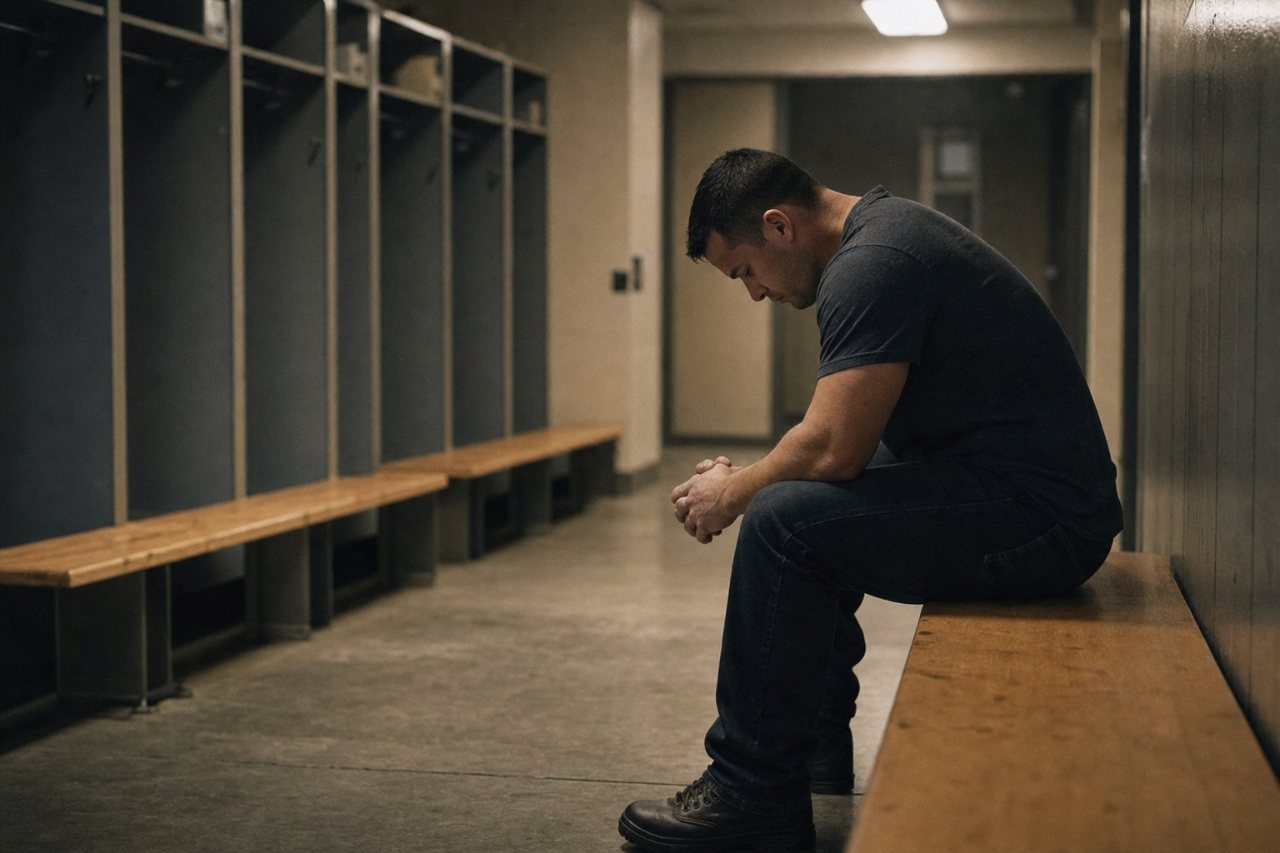
Exposure doesn't end at the truck bay.
The decon movement already addresses gear and skin. The bedroom is the part nobody is measuring — yet it's where you spend the most unprotected hours.
On skin, hair & gear
Residues from occupational exposure — fireground, clinical, industrial — deposit on the body and are documented to transfer to fabrics and surfaces at home.
Into the sleep surface
Semi-volatile contaminants accumulate on bedding and mattresses and re-emit into the breathing zone — the few centimetres of warm air above your face.
For eight hours, recovering
Sleep is when the body is meant to clear the day. An unaddressed sleep surface works against the recovery your shifts depend on.
Measure it now. Reduce it next.
Free, instant, cited. Know what your mattress is made of and where the disclosure gaps are. Check your mattress →
A cited, practical playbook for reducing take-home exposure in the bedroom — for individuals and for departments. See the toolkit →
An activated-carbon layer designed to capture settled contaminants at the mattress. In design and chamber validation — we won't call it proven until the data does.
Proving — with the people most exposed — that you can measure and reduce what settles where you sleep.
Bringing this to your hall, local, or wellness program?
Bulk toolkit access, station sleep-environment assessments, and a place in the firefighter validation pilot. Tell us about your group.